
Views: 0 Author: Site Editor Publish Time: 2025-12-01 Origin: Site


In the world of fabric and textiles, one of the most essential metrics used to measure the weight and quality of material is gram per square meter (GSM). This unit of measurement plays a critical role in determining the weight, thickness, and suitability of fabric for specific uses, from apparel to industrial applications. Understanding GSM is key when designing garments, especially in sectors like activewear, where comfort, fit, and performance are paramount. In this article, we’ll explain what GSM is, how it’s relevant in fabric manufacturing, and how it impacts the production of seamless activewear.
Gram per square meter (GSM) is a unit of measurement that indicates the weight of a fabric. Essentially, GSM tells you how much one square meter of fabric weighs in grams. It helps determine whether a fabric is lightweight, medium-weight, or heavyweight, influencing how the fabric behaves and performs in different applications.
Low GSM fabrics (100-150 GSM) are light, breathable, and often used for garments like t-shirts or summer dresses.
Medium GSM fabrics (150-250 GSM) are more versatile and commonly used for everyday clothing, like casual wear, activewear, and light jackets.
High GSM fabrics (250+ GSM) are heavier, durable, and thicker, making them suitable for outerwear, winter coats, and sports compression garments.
The GSM of a fabric affects its properties, such as breathability, stretch, durability, and comfort, all of which are crucial for activewear, particularly seamless activewear.
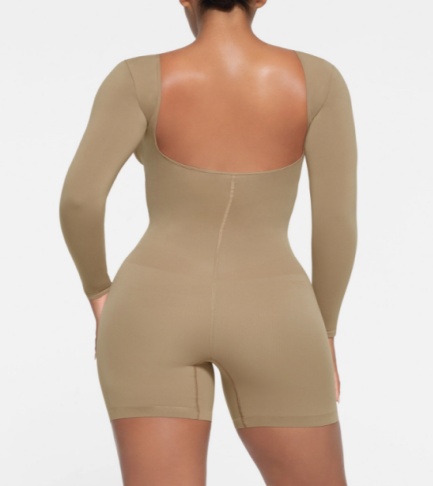
In the fabric and garment manufacturing industry, gram per square meter (GSM) is one of the most essential metrics for determining the weight, thickness, and overall quality of a fabric. GSM directly influences a fabric’s performance, from its durability and strength to its comfort and suitability for various applications. When it comes to activewear, particularly seamless activewear, selecting the right GSM is crucial to ensure that the garment performs optimally while maintaining comfort, flexibility, and durability.
The heavier or lighter the fabric, the more its physical characteristics will influence the final design of the garment, affecting everything from its fit to its ability to wick moisture and its overall lifespan. Below, we’ll explore why GSM is vital in fabric production and how it plays a key role in the design and performance of seamless activewear.
One of the main factors that makes GSM so important in fabric production is its direct impact on the comfort and feel of the garment. In activewear, comfort is essential. Lighter fabrics with a low GSM (around 150 GSM) are ideal for warmer weather, offering maximum breathability. These fabrics are commonly used in seamless garments like leggings, tank tops, and sports bras where comfort and airflow are paramount. These low-GSM fabrics are thin and light, making them suitable for warm climates or intense activities where sweat management and ventilation are important.
On the other hand, heavier fabrics (around 250-300 GSM) provide more substantial coverage, offering additional warmth, strength, and compression. These fabrics are typically used for compression garments, outerwear, and sports bras that require more durability and support. Heavier fabrics, while less breathable than lighter fabrics, can add extra comfort and support, especially in colder climates or more intense activities that require both warmth and durability.
Another significant factor influenced by GSM is fabric durability. The GSM of a fabric affects its resistance to wear and tear. Heavier fabrics, with a higher GSM (250-300 GSM), tend to be more robust, making them suitable for activewear that will undergo heavy use. These garments often need to withstand stress from outdoor activities, gym equipment, or high-impact workouts. Higher GSM fabrics are durable, ensuring that the garment will not tear or wear out quickly, even after repeated use and washing.
In contrast, lighter fabrics with lower GSM are more suitable for less intense activities or garments that will be used in non-extreme conditions. These fabrics are great for summer workouts or athleisure garments, but they might wear out quicker under frequent stress. For seamless activewear designed for high-impact activities or extensive daily use, selecting a fabric with a higher GSM ensures long-term durability, making the garment more resistant to physical stress.
Fit is one of the most important aspects of activewear, and the GSM of the fabric plays a critical role in how a garment fits and functions. The right GSM allows manufacturers to achieve the perfect balance of compression and flexibility in activewear. Seamless garments, which use advanced knitting technology to create clothes without traditional seams, require a fabric with the correct GSM to offer a snug fit that moves with the body while also providing the necessary support.
For instance, medium-weight fabrics, typically in the 180-250 GSM range, are often used in seamless activewear for their ability to provide comfortable compression without being too tight or restrictive. These fabrics offer a supportive fit, particularly in garments like sports bras, compression leggings, or shapewear. The right GSM allows for the necessary compression to improve muscle support and circulation during and after exercise while maintaining comfort throughout the activity.
Additionally, the right GSM helps maintain the functionality of seamless garments. A fabric that is too lightweight may not provide adequate support, while a fabric that is too heavy could restrict movement or feel too stiff. Medium to heavier GSM fabrics are typically used for compression garments designed for recovery, muscle support, and post-workout wear. These fabrics ensure that garments enhance athletic performance while not sacrificing comfort.
Seamless activewear is a growing trend in the apparel industry, thanks to its numerous benefits, including comfort, flexibility, and aesthetic appeal. However, to achieve these benefits, the fabric used must have the right GSM. The weight of the fabric impacts several factors in seamless activewear, including comfort, flexibility, breathability, compression, and durability. Here’s a deeper look at how GSM influences seamless activewear:
Seamless garments are typically made from lightweight to medium-weight fabrics (150-250 GSM). These fabrics provide comfort without compromising on stretch and flexibility, which are essential for activewear. Lighter fabrics with lower GSM allow for greater mobility during workouts, helping the garment move naturally with the body. These fabrics also allow for better airflow, which helps prevent overheating and excessive sweating during intense physical activities.
On the other hand, heavier fabrics (around 250 GSM) provide more support and structure, especially in areas that require compression, such as the waist, thighs, or chest. These fabrics provide extra support during intense workouts, giving wearers the muscle support they need to perform better.
Breathability and moisture management are crucial for activewear, as sweat needs to be efficiently wicked away to maintain comfort during exercise. Lighter fabrics with lower GSM are often more breathable and better at moisture-wicking, allowing for optimal airflow and keeping wearers cool and dry during activity. Seamless activewear made from fabrics with lower GSM is ideal for hot environments or high-intensity workouts because these fabrics allow for the quick evaporation of sweat and reduce the risk of overheating.
For compression garments, medium to high GSM fabrics (around 200-250 GSM) are ideal because they offer the right level of compression without being overly tight. Compression garments are specifically designed to improve circulation, reduce muscle fatigue, and enhance recovery. The higher GSM fabric ensures the garment fits snugly against the body, providing the necessary compression without sacrificing comfort.
The GSM of a fabric also affects its durability. Heavier fabrics, with higher GSM, are more robust, making them suitable for high-impact activewear that will undergo frequent use and exposure to physical stress. Whether the activewear is for weight training, running, or yoga, the fabric needs to be durable enough to withstand constant movement and friction.
The GSM of seamless activewear also contributes to how the fabric looks and feels. Lighter fabrics typically result in garments that have a soft, airy feel, while heavier fabrics provide more structure and a more luxurious feel. The aesthetic qualities of a garment, especially in activewear, are essential as consumers seek not just function but style as well. Choosing the right GSM ensures the garment achieves both the desired look and functionality.
The gram per square meter (GSM) of a fabric is an essential consideration when designing seamless activewear. The weight of the fabric affects its comfort, flexibility, durability, breathability, and compression — all of which are crucial for activewear garments that support physical activity while offering the highest level of comfort. Understanding the role of GSM ensures that manufacturers select the best fabrics for specific applications, whether it’s for yoga, running, compression garments, or athleisure.
At GUANGZHOU JEKNIT FASHION APPAREL CO.,LTD., we specialize in seamless activewear manufacturing and understand the importance of selecting the right fabric with the correct GSM for every garment. Whether you need lightweight, breathable fabrics for yoga wear or durable, high-GSM fabrics for compression activewear, our team has the expertise to guide you through the fabric selection process and ensure that your activewear line meets the highest standards of quality, comfort, and performance.
If you're interested in learning more about how GSM impacts seamless activewear production or would like to discuss your next garment project, feel free to get in touch with us. We’re here to help you create garments that not only look great but perform even better.


