
Views: 0 Author: Site Editor Publish Time: 2025-12-29 Origin: Site


In recent years, seamless activewear has gained significant attention for its comfort, flexibility, and cutting-edge design. However, one aspect that is often overlooked in the activewear world is UV protection. With the growing awareness of the harmful effects of ultraviolet (UV) radiation, both for outdoor athletes and everyday wearers, UV protection fabrics have become increasingly important.
UV protection fabrics are specially designed to block or absorb harmful UV rays, providing an extra layer of protection against the sun’s harmful effects. But how much do you really know about these fabrics? In this article, we will dive into the science behind UV protection fabrics, how they work, and why they are essential in activewear, especially for those who spend extended periods of time outdoors.
UV protection fabrics are specially engineered materials designed to prevent harmful ultraviolet (UV) rays from reaching the skin. These fabrics either inherently possess UV-blocking properties or are treated with special coatings to enhance their ability to shield against UV radiation. The level of UV protection a fabric provides is typically measured using the Ultraviolet Protection Factor (UPF) rating system. This rating system is similar to the Sun Protection Factor (SPF) used in sunscreen, but instead of measuring protection on the skin, UPF measures how well a fabric blocks UV radiation from penetrating through it.
A fabric with a high UPF rating blocks a larger percentage of UV rays. For instance, a fabric with a UPF of 50 will block about 98% of UV radiation, providing excellent protection against harmful sun exposure. As the UPF rating increases, so does the effectiveness of the fabric in blocking UV rays. Fabrics rated with a UPF of 30 or higher are considered to offer good protection, while those with UPF 50+ offer excellent protection.
UV protection fabrics operate through two primary methods: tight weaves and chemical treatments. Let's dive deeper into these mechanisms and how they work to protect the skin from harmful UV radiation.
One of the most common methods for UV protection is through the fabric’s weave construction. Fabrics that have a tight weave — such as denim, canvas, and polyester — are particularly effective at blocking UV radiation. The weave of the fabric refers to how the fibers are interlaced together. In tightly woven fabrics, the small gaps between the fibers are too small for UV rays to penetrate.
Tightly woven fabrics create a shielding effect that reduces the amount of UV radiation that passes through the material. These fabrics act like a physical barrier, preventing UV rays from reaching the skin. For example, a polyester shirt with a dense weave will offer better UV protection than a cotton t-shirt, which is typically more loosely woven and allows more sunlight to penetrate through.
In addition to the natural properties of tightly woven fabrics, chemical treatments are another method used to enhance UV protection. These treatments are applied to the fibers during the manufacturing process and work by absorbing UV radiation before it can reach the skin.
The chemical treatments used to enhance UV protection typically involve applying a UV-absorbing compound to the fabric. These compounds either absorb the UV rays, converting the harmful radiation into harmless heat, or reflect the UV radiation away from the skin. This gives the fabric additional UV-blocking properties that go beyond what the weave itself can provide.
For those who enjoy outdoor activities such as running, cycling, hiking, or swimming, UV protection becomes an essential feature in their seamless activewear. UV protection fabrics provide several key benefits that help protect your skin and ensure better performance in activewear. Let's explore these benefits in more detail:
Prolonged exposure to UV radiation can result in skin damage such as sunburn, premature aging, and more serious conditions like skin cancer. As awareness of the dangers of UV radiation grows, more individuals are seeking products that offer added protection. Seamless activewear made with UV protection fabrics provides a much-needed layer of defense against harmful UV rays, which is especially important for those who spend long hours outside.
In addition to providing sun protection, UV protection fabrics are designed to enhance the comfort and performance of activewear. Many seamless activewear garments made from these fabrics are engineered to be lightweight, breathable, and moisture-wicking, which are all essential qualities for sportswear.
Moisture-wicking properties are particularly beneficial for outdoor athletes. They help to draw sweat away from the skin, keeping the body dry and cool, even during intense physical activity. This increases comfort and reduces the risk of skin irritation caused by sweat and friction.
Unlike sunscreens, which need to be reapplied throughout the day to maintain effectiveness, UV protection fabrics provide continuous protection throughout the duration of wear. This means that once you put on UV-protective seamless activewear, you are shielded from the sun’s harmful rays for as long as you wear it.
This is particularly convenient for individuals who participate in outdoor sports or activities, as they don’t need to worry about reapplying sunscreen every few hours. Additionally, some seamless activewear made with UV protection fabrics is designed to be durable enough to withstand exposure to sweat, rain, and sunlight, ensuring that the protective properties remain intact even after repeated use and washing.
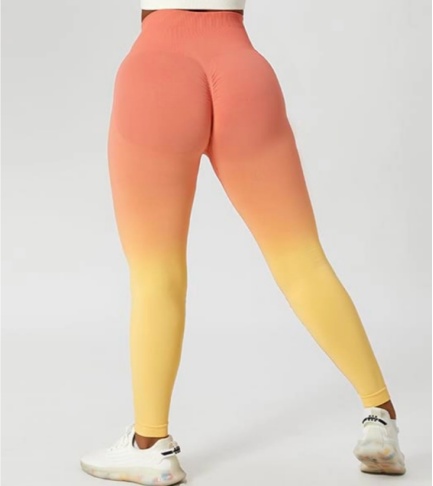
Not all fabrics are created equal when it comes to UV protection. Here are some of the most common types of UV protection fabrics found in activewear:
Polyester is one of the most commonly used fabrics for UV protection. Its dense weave and ability to hold UV-blocking treatments make it a popular choice for sportswear and outdoor gear. Polyester fabrics are lightweight, durable, and moisture-wicking, making them ideal for activewear.
Nylon is another fabric that is often used in UV protective activewear. It has a natural ability to block UV rays and can be enhanced with chemical treatments to increase its protective properties. Nylon is known for its strength and resistance to abrasion, making it suitable for high-performance sports and outdoor activities.
Lycra and spandex are often used in seamless activewear for their stretchability. While these fabrics are not naturally UV-protective, they can be treated with UV-blocking chemicals to improve their protective qualities. These fabrics are highly elastic, ensuring that they provide both freedom of movement and sun protection.
Though not as commonly used in activewear as synthetic fabrics, merino wool is another excellent choice for UV protection. It has a natural ability to block UV rays, in addition to being breathable, moisture-wicking, and temperature-regulating. Merino wool is perfect for layering during outdoor activities.
Proper care is essential for maintaining the effectiveness of UV protection fabrics. Here are some care tips to ensure your seamless activewear continues to provide maximum protection:
When washing UV-protective activewear, avoid using bleach or fabric softeners, as these can damage the fabric’s UV-blocking properties. Instead, opt for mild detergents and wash in cold water to preserve the fabric’s integrity.
Excessive heat from tumble drying or ironing can degrade the UV protection in the fabric. It’s best to air dry your UV-protective garments and avoid ironing, as heat can damage the fibers and reduce their protective qualities.
Over time, UV protection fabrics can lose their effectiveness if they become worn out or damaged. Inspect your activewear regularly for signs of thinning, fading, or holes, and replace garments that no longer offer sufficient protection.
As the demand for seamless activewear grows, the development of UV protection fabrics will continue to evolve. Innovations in textile technology are making it possible to create fabrics that are lighter, more breathable, and even more effective at blocking UV rays. The future of UV protection fabrics looks promising, with advancements that will further enhance comfort, performance, and protection for athletes and outdoor enthusiasts.
UV protection fabrics are essential for anyone who spends time outdoors, whether for sports, exercise, or leisure. With the increasing need for sun protection and comfort, seamless activewear that incorporates UV protection fabrics is becoming a must-have. By investing in high-quality activewear made from UV-blocking fabrics, you can enjoy outdoor activities without compromising your skin’s health.
At GUANGZHOU JEKNIT FASHION APPAREL CO., LTD., we are proud to offer a wide range of seamless activewear that incorporates the latest UV protection technologies. Our products are designed with both performance and protection in mind, ensuring that you stay safe while enjoying your active lifestyle. If you're looking for UV-protective activewear that combines style, comfort, and functionality, we invite you to contact us and explore our collection. Let us help you enhance your activewear experience while safeguarding your skin from harmful UV rays.


